japanese pagoda tree invasive
Staghorn Sumac Rhus typhina Dissecta Cutleaf cultivar will spread Amur Cork Tree Phellodendron amurense. Fruits make very slippery ground when they fall.

Japanese Pagoda Tree News From Rockcliff Farm
Growing Japanese Pagodas If you want the ideal location for this tree plant it in full sun in soil that is rich in organic content.
. Please contact us if a state or federal list needs to be updated. Since pagoda trees generally stand between 50 and 75 feet this suggests its an old tree but I. It is a medium to large deciduous tree that typically matures to 50-75 less frequently to 100 tall with a broad rounded crown.
It is by Robert Vidéki at Doronicum Kft. Is Sophora japonica Evergreen. Sophora japonica-- Scholar Tree Page 3 Other Figure 3.
Japanese Angelica Tree Aralia elata Pagoda Dogwood Cornus alternifolia Staghorn Sumac Rhustyphina Laciniata Cutleaf cultivar will. The Japanese pagoda tree is often called the Chinese scholar tree. No special winter interest Outstanding tree.
Trees do best in areas with full sun or partial shade and moderate amounts of water. It is hardy to -25F 317C. The Japanese pagoda tree is often grown as a shade tree in lawns or on patios however flowers and seedpods often leave stains on pavement.
A delightful shade tree it doubles as an ornamental in the garden. The tree is also used as a street tree since it tolerates urban pollution. Styphnolobium japonicum L Schott.
It is susceptible to certain diseases and pests making it overall a fairly vulnerable species. The domestication of this tree makes it difficult for it to survive without human care. Japanese pagoda tree is a deciduous species that grows quickly into a 75-foot 23 m tree with a broad rounded crown.
Tree has outstanding ornamental features and could be planted more Invasive potential. Hardwood Trees Styphnolobium japonicum L Schott. The Japanese pagoda tree Sophora japonica or Styphnolobium japonicum is a showy little shade tree.
Styphnolobium japonicum L Schott previously. Little if any potential at this time Ozone sensitivity. It offers frothy flowers when in season and fascinating and attractive pods.
This species does not appear on any state or national invasive species lists. How do you care for a Japanese pagoda tree. The Pagoda tree is capable of growing in all soil types although it grows best in well drained loamy soils and in full sun conditions.
Surface roots are usually not a problem Winter interest. NC State Universitys legendary plantsman the late JC Raulston found this wild plant in 1985 while visiting Korea. Staghorn Sumac Rhus typhina Dissecta Cutleaf cultivar will spread Amur Cork Tree Phellodendron.
Pagoda Dogwood Cornus alternifolia Canker disease is a problem in Eastern NY Witch Hazel Hamamelis virginiana. In the United States the tree is by and large considered non-invasive. Sophora japonica Where to Look.
Foliage of Scholar Tree. Seed pods appear in the summertime which can cause serious litter on the ground. The soil should drain extremely well so choose sandy loams.
A clusters of creamy white-green fragrant flowers appear in summer. The first specimens seen in the west were gained from Japanese sources in the 1750 s hence its classification as a Japanese tree. This plant is an invasive species in North Carolina Description.
Palmatum plantanoides pseudoplatanus Japanese Norway Sycamore maple Invasive Actinidia arguta Hardy kiwi Threat Aegopodium podagraria Goutweed Invasive Agrostis capillaris Colonial bent-grass Invasive Ailanthus altissima Tree of Heaven Invasive Akebia quinata Five-leaved akebia Invasive Albizia julibrissin Mimosa Invasive. Leaves alternate pinnate to 25 cm long leaflets 7-17 stalked egg-shaped to 5 cm long. Are Japanese pagoda trees invasive.
Styphnolobium japonicum commonly called Japanese pagoda tree or Chinese scholar tree is native to China and Korea but not Japan. In the United States the tree is by and large considered non-invasive. Styphnolobium japonicum is a tree to 25 m tall saplings forming a deep thick taproot young stems smooth deep green with prominent grayish corky lenticels older bark gray deeply fissured similar to black locust buds blackish small appressed fitting into v shaped leaf scar.
Is Japanese pagoda tree invasive. The Japanese pagoda tree alongside the Boathouse in Brooklyns Prospect Park is an impressive tree with broad boughs. Native Ecosystems In the United States the tree is by and large considered non-invasive.
Japanese Pagoda Tree Styphnolobium japonicum Kentucky Coffeetree Gymnocladus dioicus Trees INVASIVE. Image 5399189 is of Japanese pagoda tree Styphnolobium japonicum trees. The Japanese pagoda tree is often grown as a shade tree in lawns or on patios however flowers and seedpods often leave stains on pavement.
The domestication of this tree makes it difficult for it to survive without human care. Honeylocust Gleditsia triacanthos var. Once the Japanese pagoda tree is.
Japanese Angelica Tree Aralia elata. According to NYC parks its 861 feet tall. The Japanese pagoda tree is also called the Chinese scholar tree and the honey tree.
Japanese Pagoda Tree Sophora japonica aka Styphonolobium japonicum Bee Bee Tree Korean Evodia Tetradium daniellii Evodia daniellii is an uncommon landscape tree that is slowly spreading in south-central and southeastern PA Little Leaf Linden Tilia cordata Sterling Silver Linden Tilia tomentosa. Preferred Scientific Name. Japanese Pagoda Japanese pagoda is a large deciduous tree native to China It is an upright forming a lacy canopy of dark green pinnate leaves.
Alternatives to NYS Invasive Prohibited Plants TREES Invasive Alternatives. In the United States the tree is by and large considered non-invasive. It showed exceptional vigor and was drastically different from the.
Japanese Angelica Tree Aralia elata. The domestication of this tree makes it difficult for it to survive without human care. It is resistant to pests drought and pollution.
The domestication of this tree makes it difficult for it to survive without human care. In the United States the tree is by and large considered non-invasive. Pagoda Dogwood Cornus alternifolia Canker disease is a problem in Eastern NY Witch Hazel Hamamelis virginiana.
A Japanese Pagoda Tree Sophora Japonica L Planted In A Roadside Download Scientific Diagram

Japanese Pagoda Tree News From Rockcliff Farm
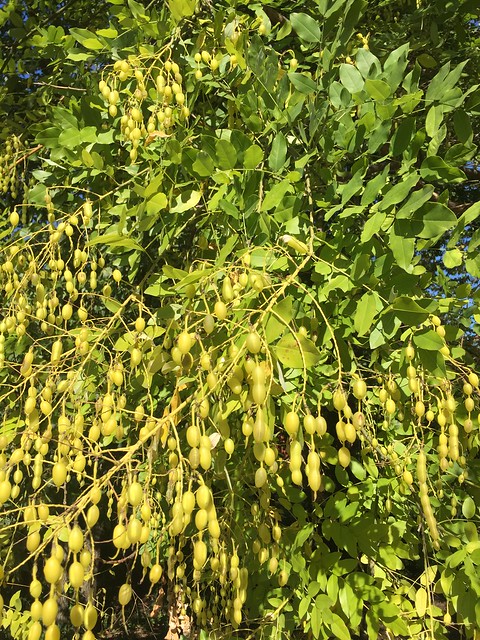
Japanese Pagoda Tree Chinese Scholar Tree

Japanese Pagoda Tree News From Rockcliff Farm
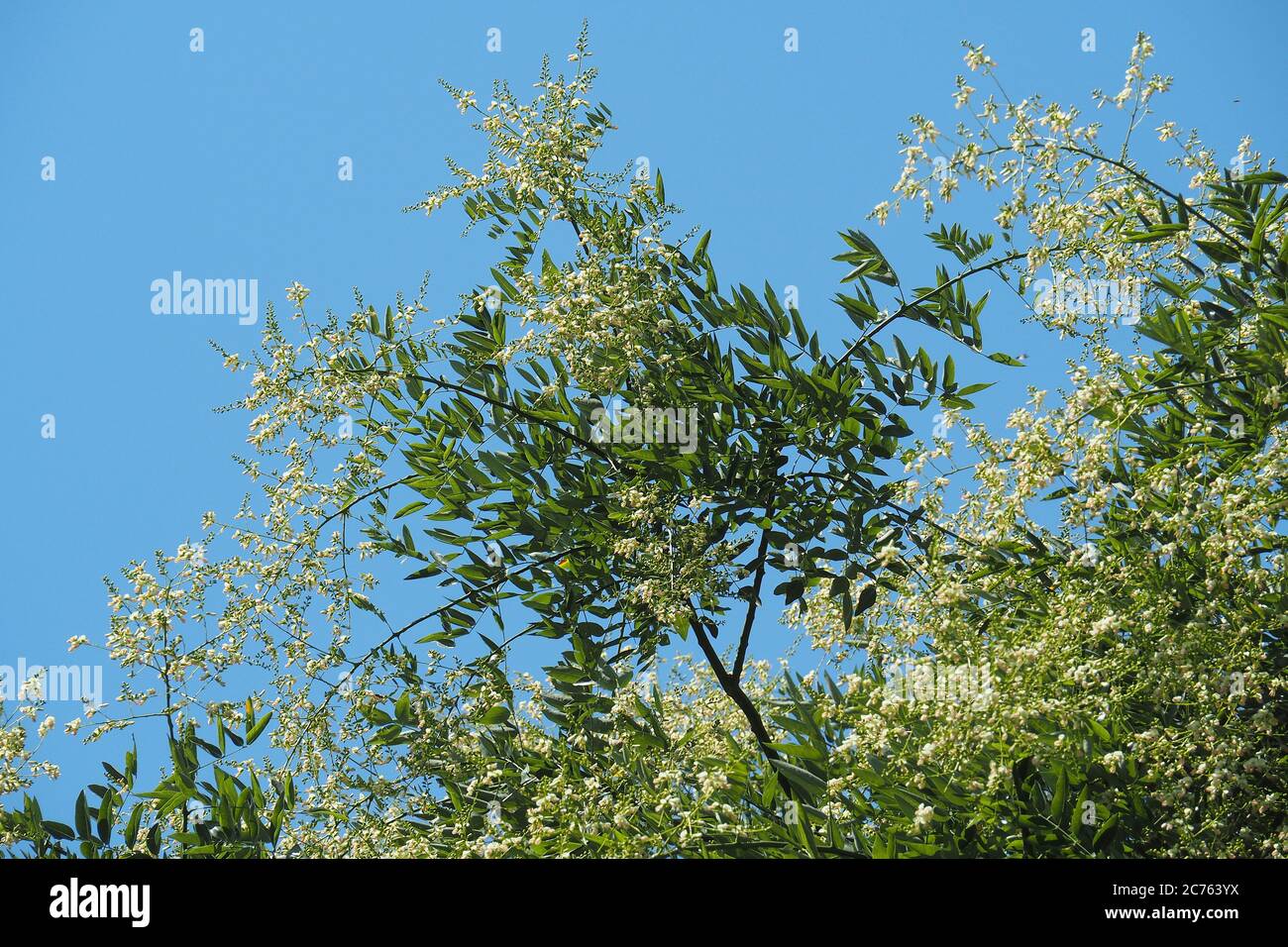
Japanese Pagoda Tree Japanischer Schnurbaum Styphnolobium Japonicum Sophora Japonica Kozonseges Pagodafa Japanakac Stock Photo Alamy

Japanese Pagoda Tree Styphnolobium Japonicum Fabales Fabaceae Leguminosae 5396099
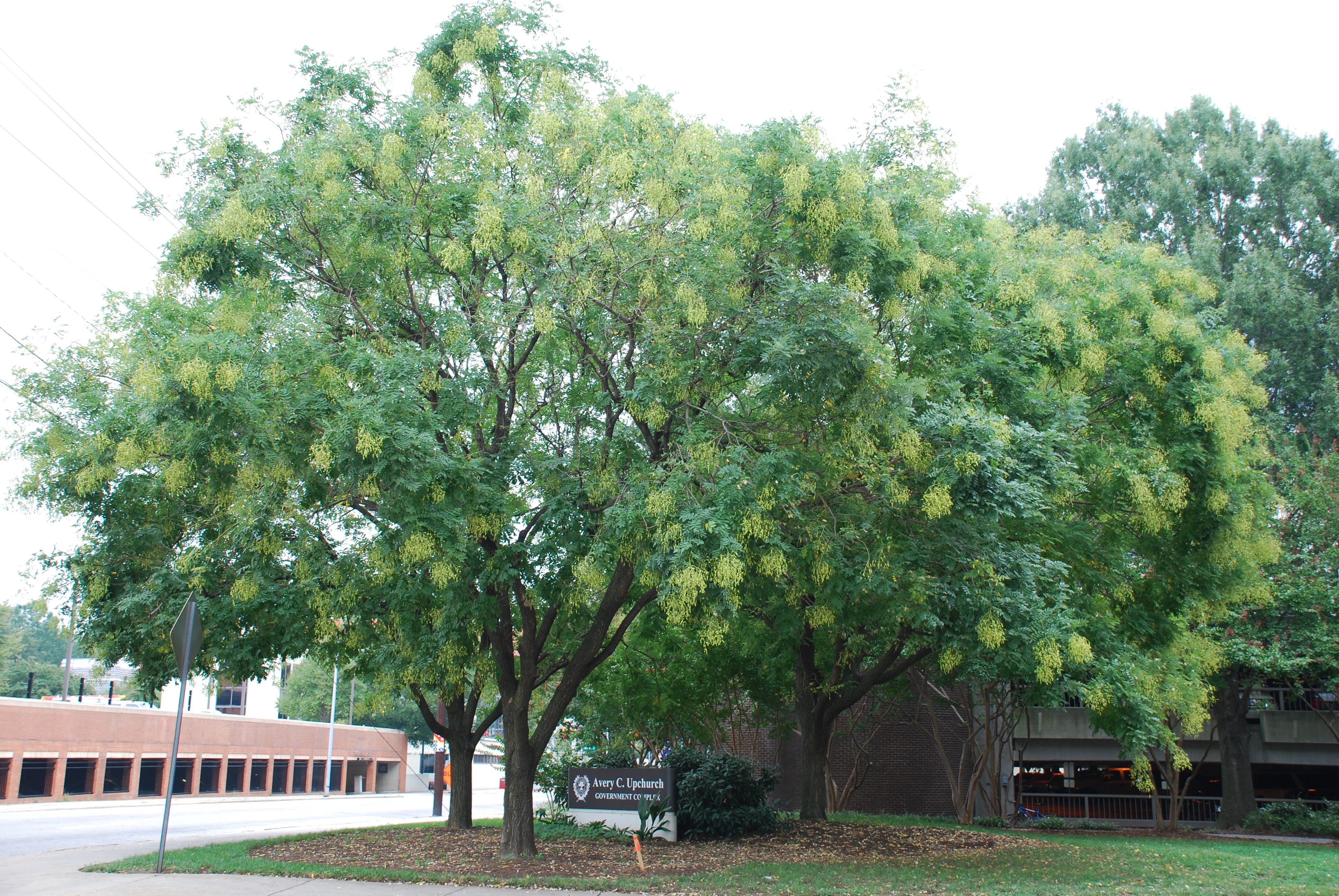
Japanese Pagoda Tree Becoming Popular In U S Cities What Grows There Hugh Conlon Horticulturalist Professor Lecturer And Gardener

Japanese Pagoda Tree Styphnolobium Japonicum Fabales Fabaceae Leguminosae 5539401

Japanese Pagoda Tree Deciduous 15m 20m High Seed Pods Japanese Pagoda Amazing Gardens Tree

Japanese Pagoda Tree Styphnolobium Japonicum Fabales Fabaceae Leguminosae 5539402
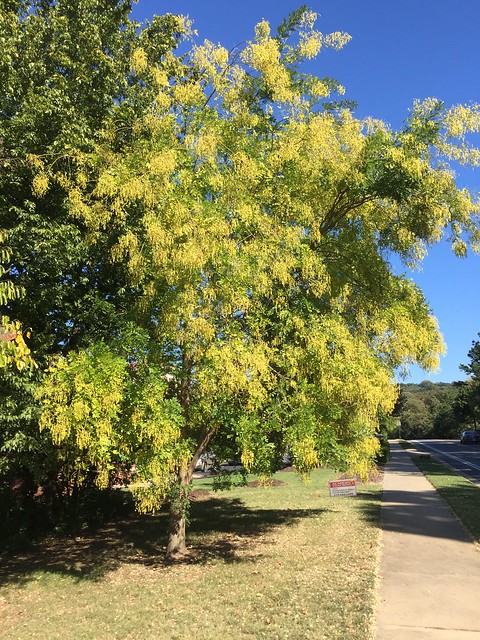
Japanese Pagoda Tree Chinese Scholar Tree
Sophora Japonica Japanese Pagoda Tree Scholar Tree Pfaf Plant Database

Styphnolobium Japonicum Landscape Plants Oregon State University

Styphnolobium Japonicum Landscape Plants Oregon State University
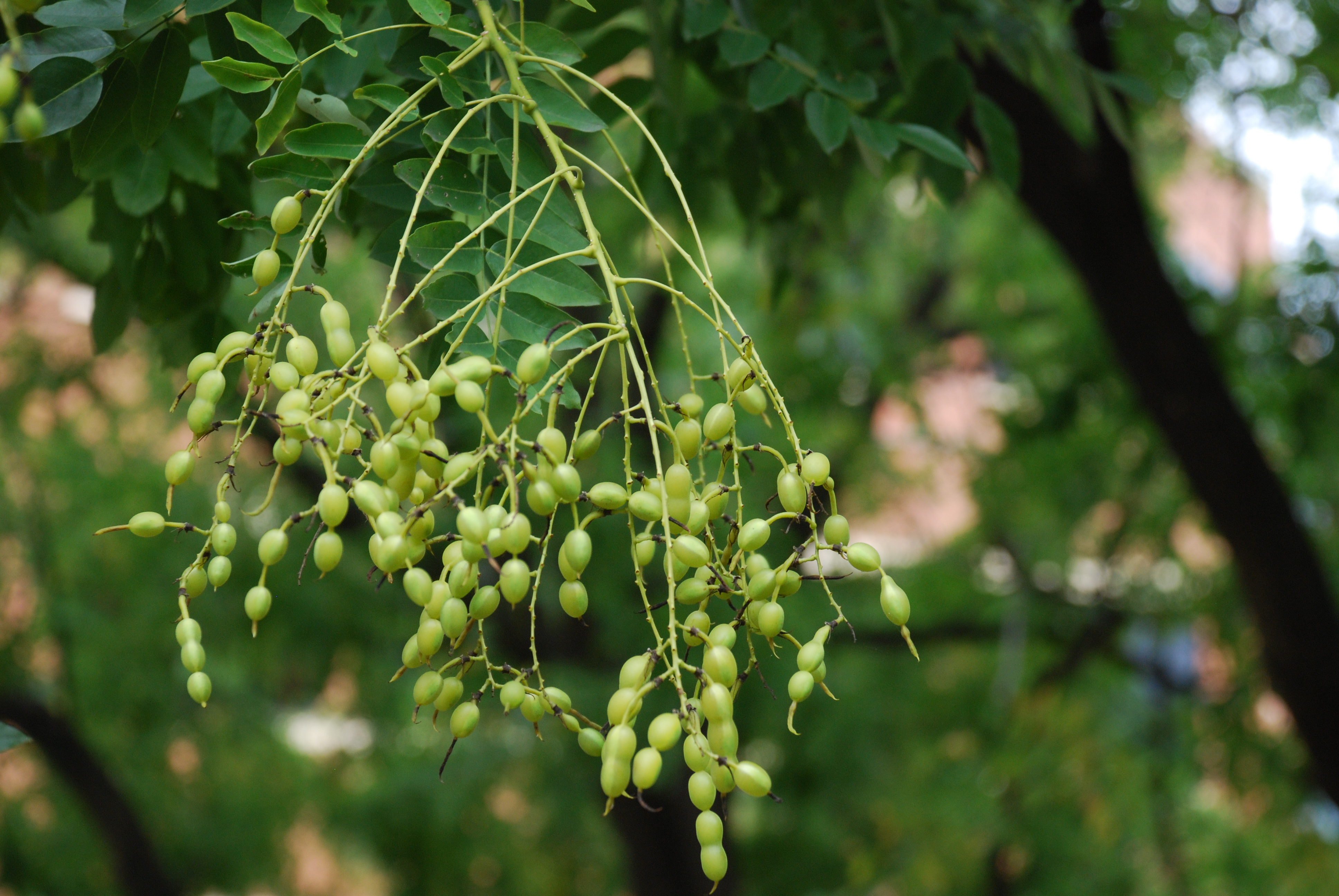
Japanese Pagoda Tree Becoming Popular In U S Cities What Grows There Hugh Conlon Horticulturalist Professor Lecturer And Gardener

Japanese Pagoda Tree News From Rockcliff Farm
Enh 750 St592 Sophora Japonica Scholar Tree

Weeping Japanese Pagoda Tree Stock Photo Image Of Botany Japanese 179370186
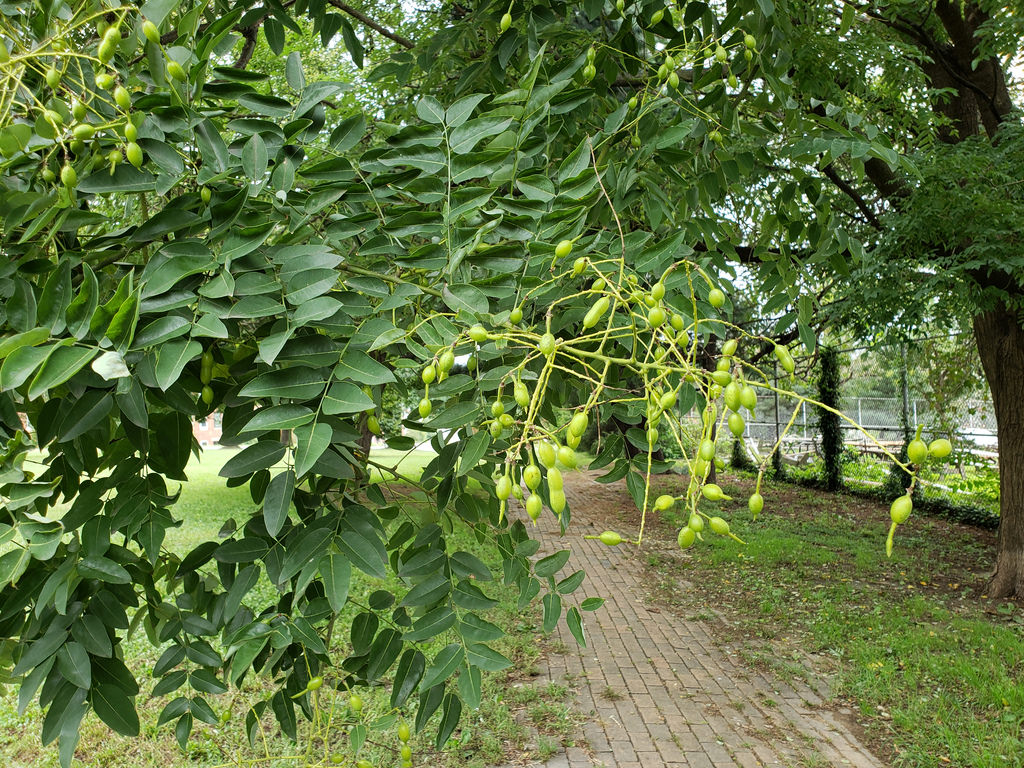
Maryland Biodiversity Project Japanese Pagoda Tree Styphnolobium Japonicum